

How Much Does It Cost To Restore A Range Rover Classic?
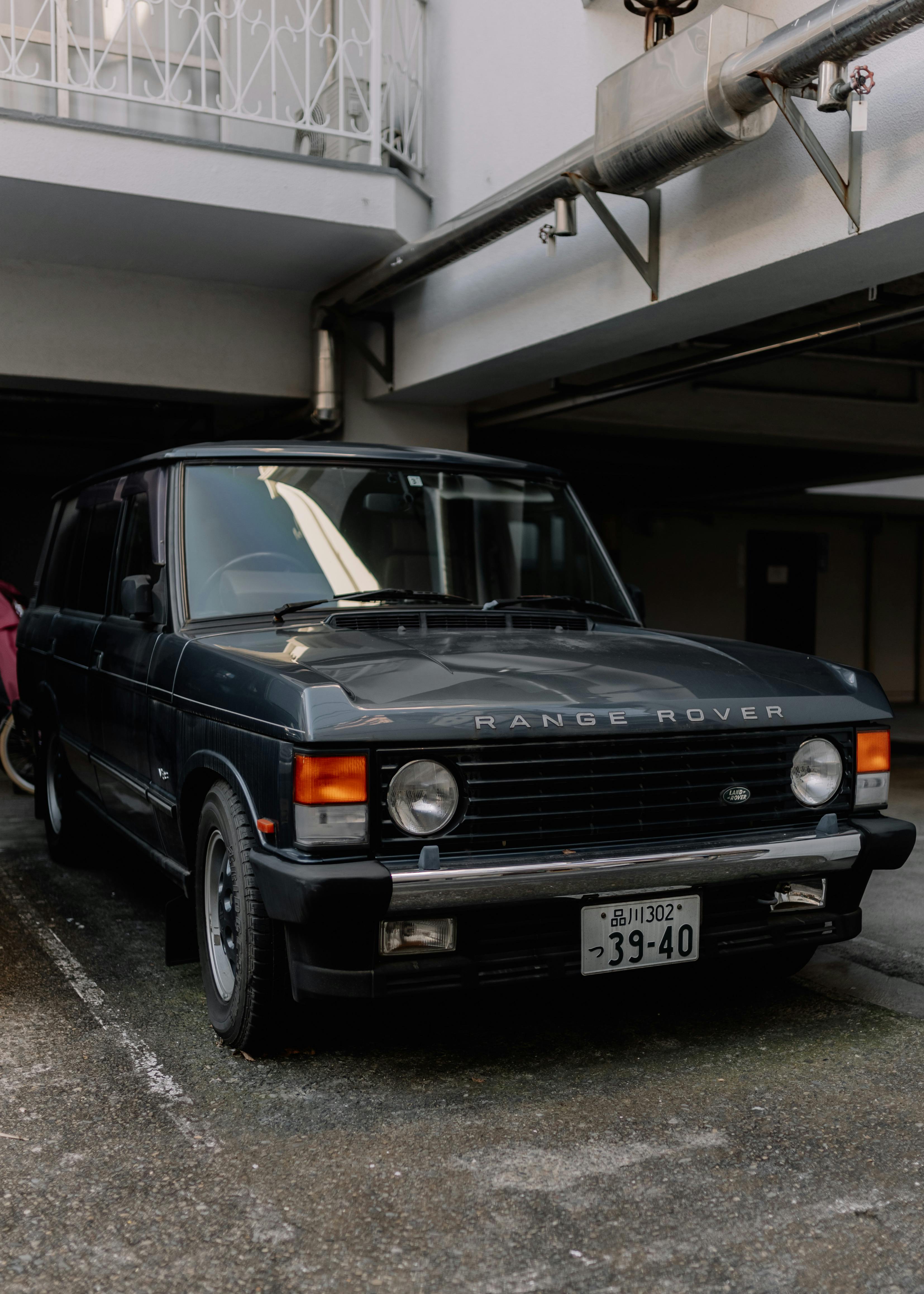
Ask ten owners what it costs to restore a Range Rover Classic and you'll get ten answers. The real figure comes down to choices you make, not a number someone hands you. This guide takes a fresh look at those choices, so you can plan with confidence. We've gathered the parts and the practical advice in one place. You can browse the full Range Rover Classic parts range as you read. Think of the cost less as a single quote and more as a set of decisions you steer.
What Really Shapes The Cost To Restore A Range Rover Classic?
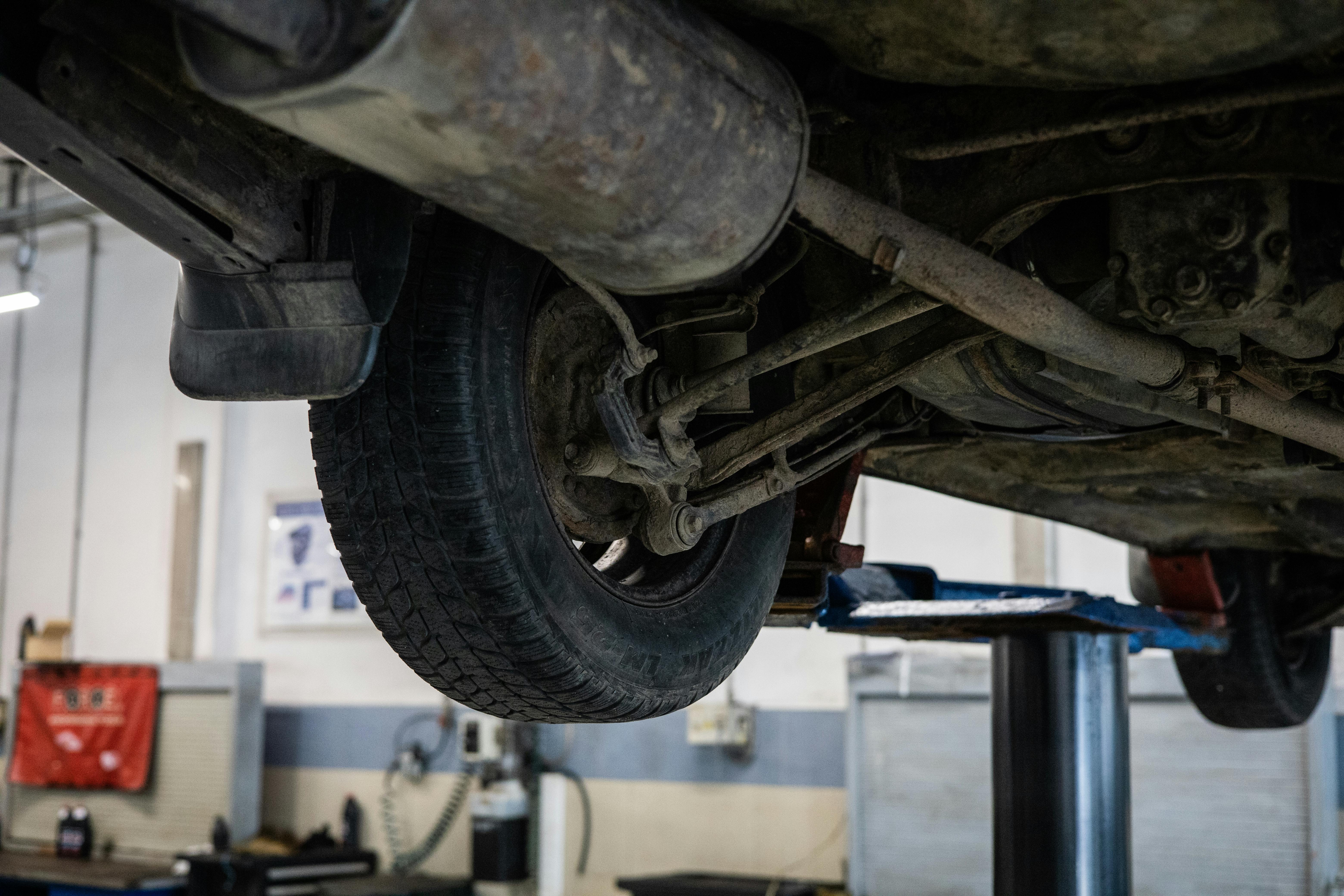
The honest answer is condition. Two cars of the same year can sit worlds apart. When you restore a Range Rover Classic, the money follows the metal. On these cars, the metal that matters is steel. The aluminium outer panels don't rust like steel, although they can still suffer from galvanic corrosion and bubbling around fixings, so a tidy-looking body can still hide a lot. Corrosion takes hold in the steel. The inner frame, the box-section chassis, the bulkhead and the scuttle corners. Those areas set the tone for the rest.
Knowing where to look changes what you spend. Check the sills, the inner arches, the floorpans, the tailgate frame and the body mounting points first. A car that needs paint is a very different job from one that needs structural work. The clearer your picture now, the fewer surprises land later.

Where Does A Range Rover Classic Restoration Usually Begin?
Most jobs start with a strip-down and an honest look. A Range Rover Classic restoration works outward from the chassis. Sort the structure first. Then move through brakes, suspension, fuel system and cooling. Leave the trim and the finish until last. That order stops you paying twice. There's little sense in fitting a smart interior above a chassis that still needs work. The way you plan these early stages sets the budget more than anything else.
This is where good parts supply earns its keep. When the panels, the brake parts, the bushes and the seals are on the shelf, the work keeps moving. When they aren't, the car sits on axle stands. The bills for storage and half-done labour soon creep up. Long delays often increase costs by disrupting the build and creating duplicate work.
How Does Parts Availability Change Your Range Rover Classic Restoration Project?
Hugely. A Range Rover Classic restoration project depends on getting the right part at the right moment. The good news is that these cars are well supported. Most mechanical, suspension and body repair parts remain readily available, although some original trim components can be harder to source. That turns a hunt into a simple order.
We hold genuine and OEM parts side by side, with good aftermarket options too. So you can match each part to the standard you're building to. A daily driver and a show car need different choices. Having the options on hand means you decide, not the supply chain. That's how good availability keeps the restoration for a Range Rover Classic predictable. You're pricing known parts, not chasing scarce ones.
Our place in the wider MPG group, alongside Moss Motors and SNG Barratt, widens that range further. It also brings extra manufacturing capability for hard-to-find parts. More parts in stock means fewer stalled jobs.
Should You Buy A Range Rover Classic For Sale Or Improve The One You Have?
It's a fair question, and worth asking early. When you see a Range Rover Classic for sale marked as a project, take care. A cheap entry car can carry hidden structural work that wipes out the saving. A sound but scruffy car you already know is often safer, because you understand its history.
Either way, the sums come back to condition and parts. A car with solid structure and good availability is a calmer job than a bargain hiding rot. Buy the best structure you can. Then let the parts range do the rest when you restore a Range Rover Classic.
How Do You Keep A Classic Car Restoration On Budget?
Plan the order of work and buy structure over shine. Then keep the momentum going. Any classic car restoration rewards a clear plan far more than a big budget. Break the job into stages. Finish each one properly before you move on. Lean on parts you can actually source.
When you restore a Range Rover Classic this way, the cost stops feeling like a mystery. It starts feeling like a plan. We're here with the parts, the catalogues, the fitting videos and the advice of people who know these cars, so the work stays on track. Every long restoration has a moment where the road ahead gets clear. With the right parts on the shelf, that moment comes sooner.
Disclaimer
This guide offers general advice on restoring a Range Rover Classic. Costs vary significantly depending on the individual vehicle's condition, the standard of restoration you're working to and current parts and labour prices. We'd always recommend a full inspection by a qualified specialist before budgeting for any restoration project.