

Is The Range Rover Evoque Reliable? Common Faults Explained
Ask ten owners about Range Rover Evoque reliability and you'll get ten different answers. The truth depends far more on the car in front of you than on the badge. The engine it was built with, and the care it's had, matter more than the model year on the logbook. So instead of a doom list, this guide shows you which faults are real, which engines carry them, why the year matters less than you'd think and how staying ahead of the wear points keeps your Evoque dependable. You'll find the parts to do exactly that across our Range Rover Evoque L538 range.
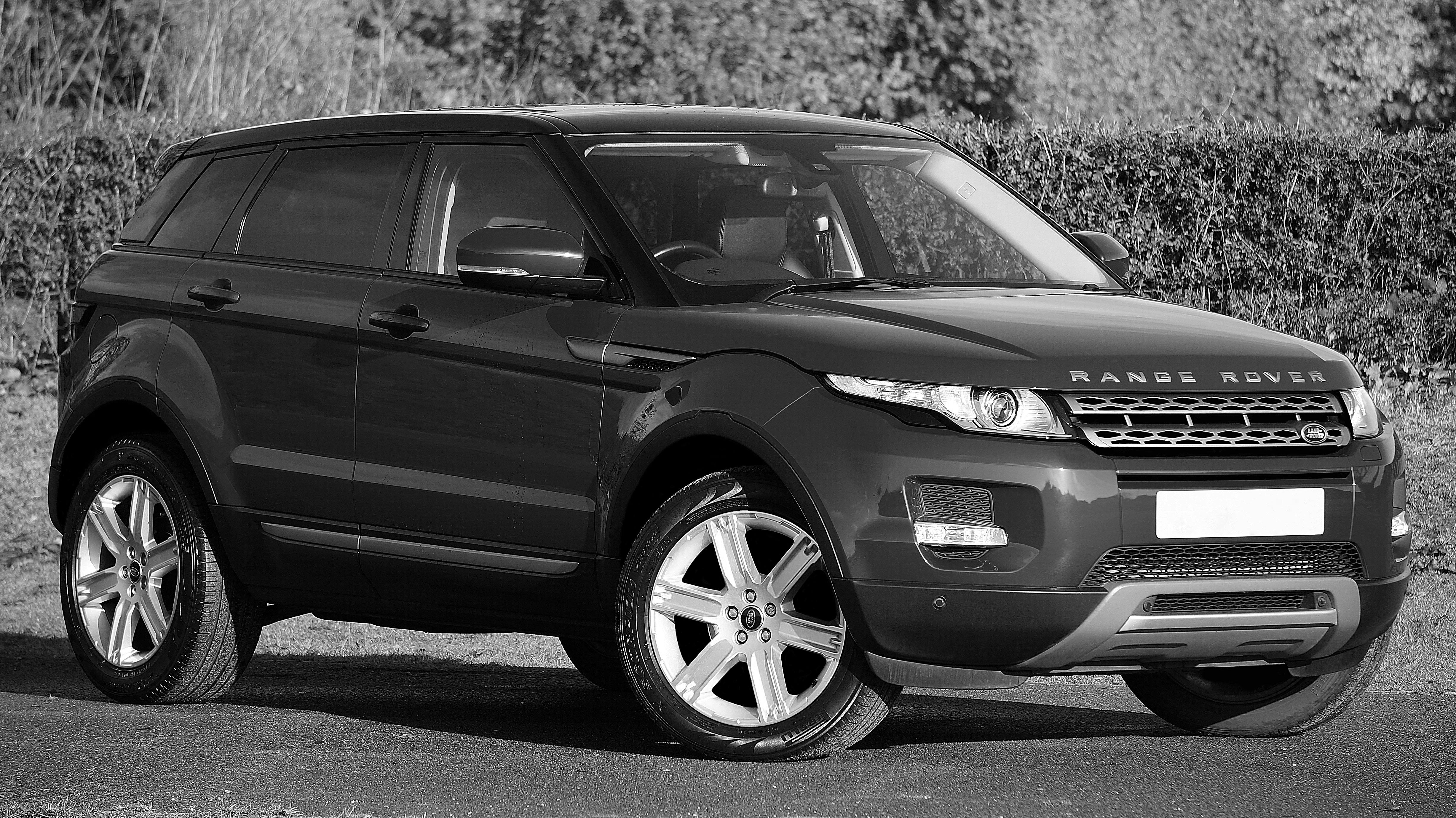
So what does Range Rover Evoque reliability really come down to?
It comes down to two things above all: the engine under the bonnet and the service history behind it. The Evoque has run through a wide spread of engines since 2011, and they don't all age the same way. Get the right engine and keep it maintained, and it can give you years of steady service. Range Rover Evoque reliability isn't really a lottery. It's a maintenance story, and most of it sits within your control.
What are the common problems with the Range Rover Evoque?
Most faults cluster around a handful of familiar areas. If you want a quick Range Rover Evoque problems list to keep in mind, the recurring themes are timing chain wear on early 2.0-litre Ingenium diesels, DPF and EGR trouble on the diesels, turbocharger wear, gearbox hesitation, the Haldex four wheel drive coupling, oil leaks and the usual electrical niggles around the infotainment and sensors. None of these are a surprise to a specialist, and none of them are a reason to walk away on their own. They're simply the points to check and to budget for. The good news is that the common problems with the Range Rover Evoque are well documented, so you can shop for a car, and for parts, with your eyes open. We stock the filtration, EGR valves, drive belts, cooling parts, brakes and service kits that address most of them, which takes the guesswork out of planned maintenance.
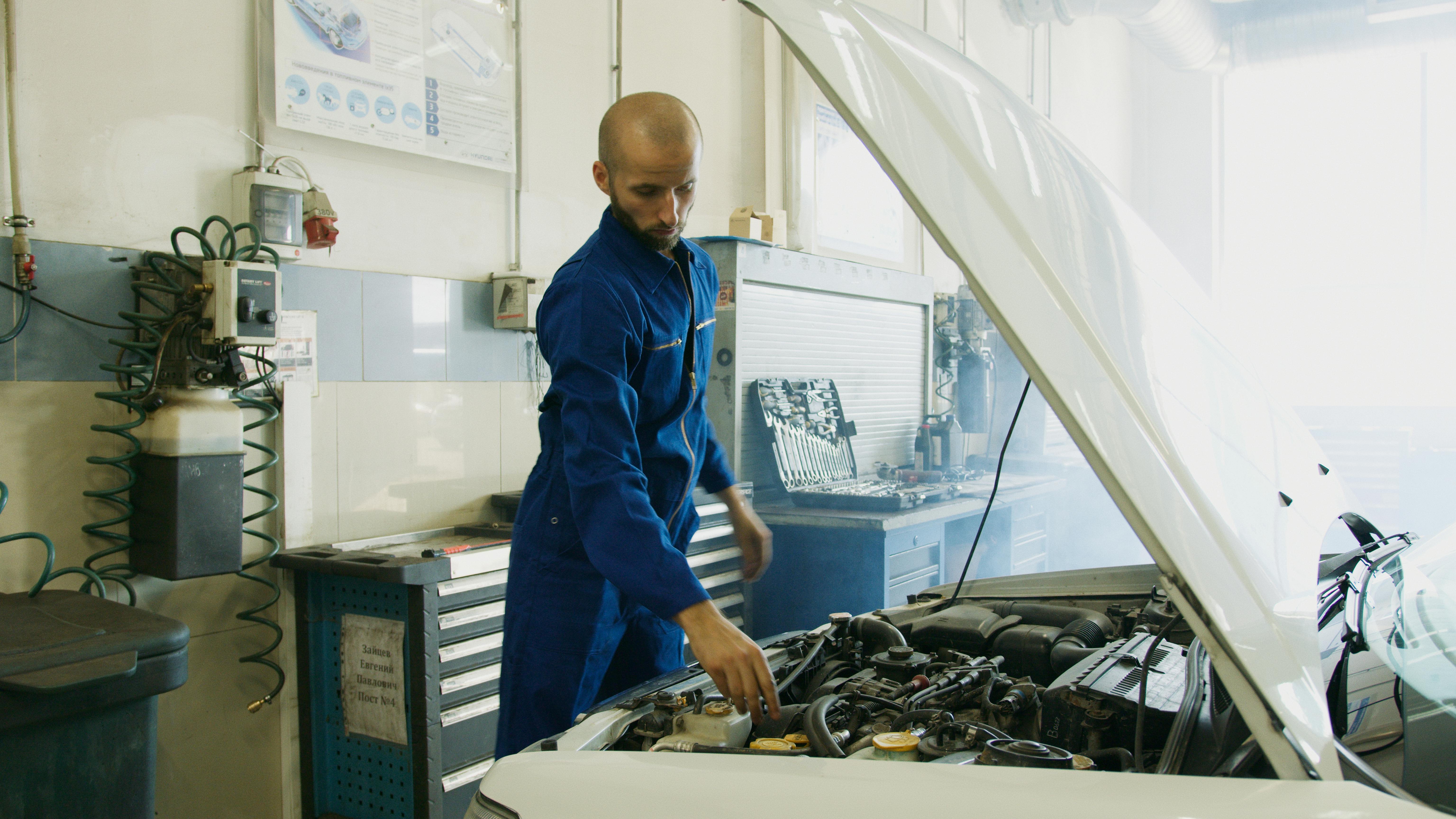
What are the common Range Rover Evoque 2.2 engine problems?
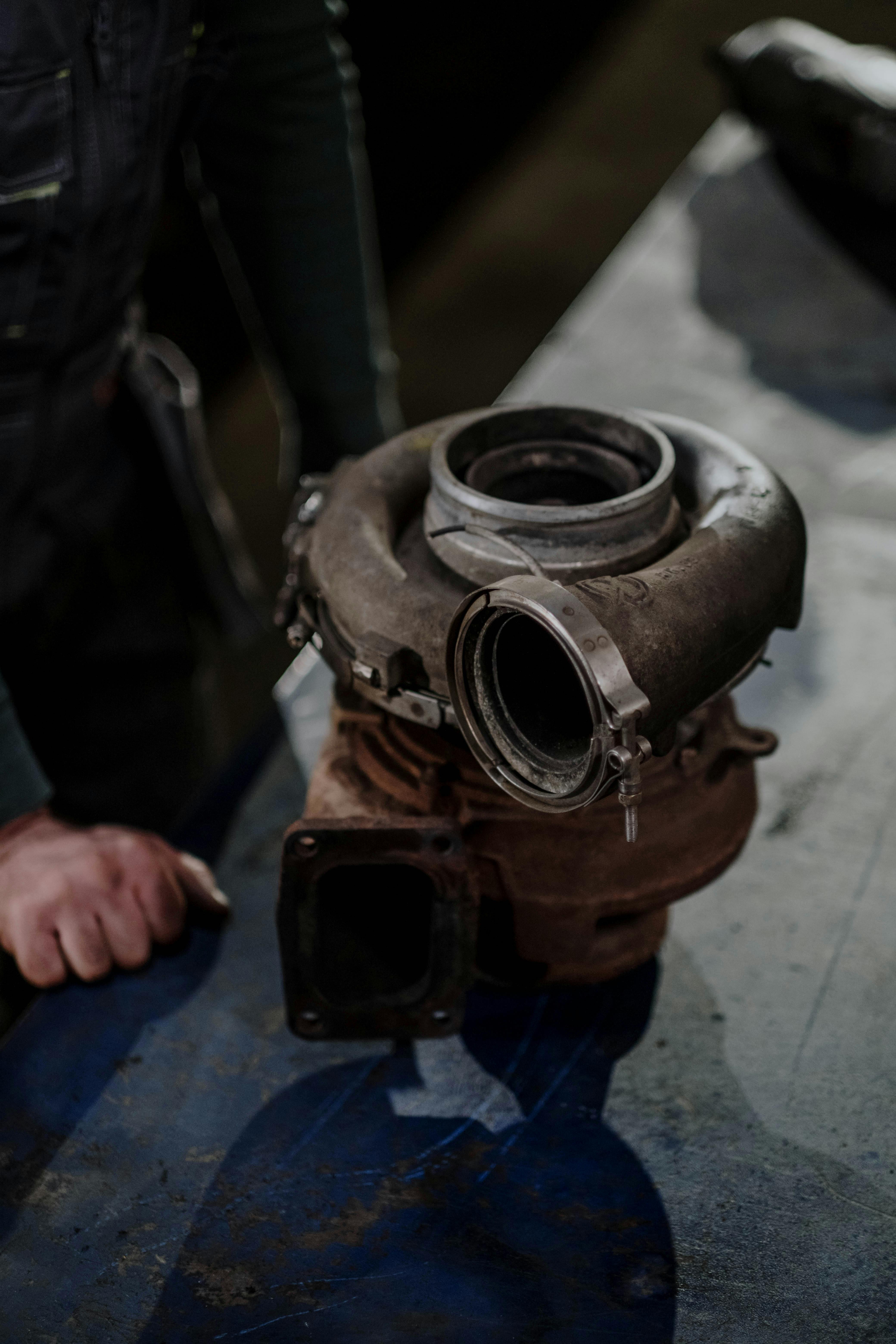
The early first generation cars, roughly 2011 to 2015, used a 2.2 litre diesel that came in TD4 and SD4 forms. It's the more proven of the Evoque diesels, but it isn't faultless. The common Range Rover Evoque 2.2 engine problems tend to show up on cars that live in town on short journeys: a clogged diesel particulate filter that never gets hot enough to clean itself, a sticking or sooted up EGR valve, turbocharger wear that follows tired oil, plus the injector and glow plug niggles common to any diesel of this age. The pattern is clear enough. Regular motorway runs and sensible oil intervals keep this engine happy, and a healthy DPF does the rest. Where it's been thrashed cold and serviced late, expect a bigger bill. Fresh filtration and a clean EGR valve go a long way here, and both sit within our Evoque range.
What about the 2.0 Ingenium timing chain?
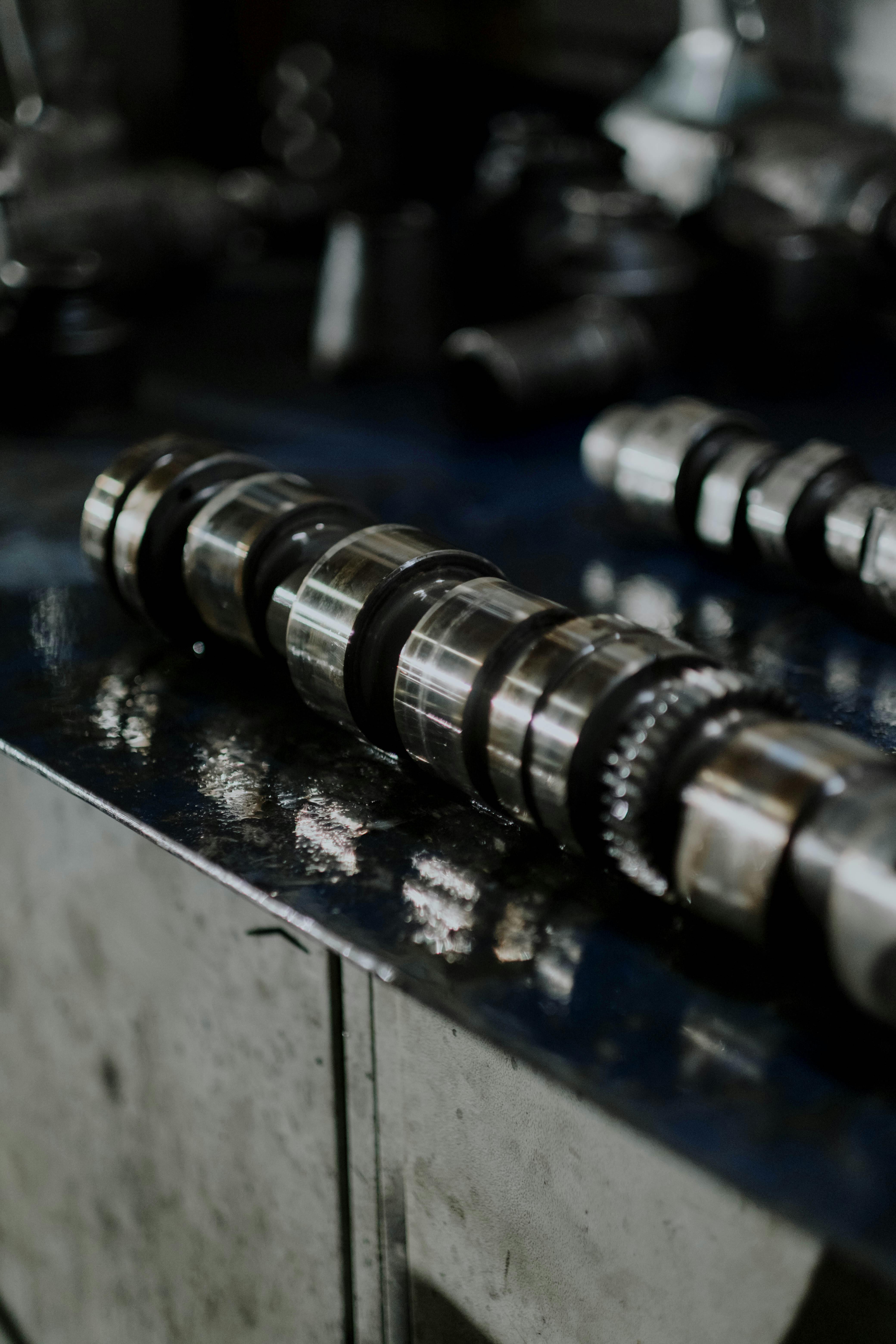
From 2015 the 2.2 gave way to Jaguar Land Rover's own 2.0 litre Ingenium diesel, and this is where the most serious concern lives. The Ingenium diesel uses a timing chain rather than a belt, and on cars driven mostly on short trips the chain and its guides can wear early. The cause is oil dilution: frequent DPF regenerations wash unburnt fuel into the sump, the oil thins and the chain suffers. The first warning is usually a brief metallic rattle on a cold start. Ignore it and the rattle grows louder. A restricted performance message can appear, and in the worst cases the chain can jump or snap, which wrecks the engine. Later vehicles benefited from revised components, although good maintenance remains critical. On any 2.0 Ingenium diesel, treat a cold start rattle as a job to book in, not a quirk to live with. Frequent oil changes are the cheapest insurance you can buy.
Which is the most reliable Range Rover Evoque year?
There's no single year that everyone agrees on, so treat any claim about the most reliable Range Rover Evoque year with a little caution. That said, a few patterns hold up. The very early cars, from 2011 to 2014, tend to show more mechanical and electrical niggles. The early Ingenium diesels from around 2015 to 2016 are the ones most linked with timing chain worry. Later cars, from 2019 onward with the revised chain, are generally seen as the lower risk choice, though the plug-in hybrid that arrived on the second generation has drawn its own reliability complaints in UK surveys. For a sense of the bigger picture, the 2025 What Car? Reliability Survey placed the current Evoque in the lower half of its family SUV class, and rated Land Rover among the less reliable mainstream brands. So the badge isn't a guarantee, and that brings us back to the same point. Condition and history beat model year every time.
How does the Evoque hold up over the long term?
Range Rover Evoque long term reliability rests on the parts most owners forget until they fail. The Haldex coupling that drives the rear wheels has its own oil and filter. Specialists suggest servicing it roughly every 40,000 miles, even though the factory never set a firm interval. The nine speed automatic gearbox likes clean fluid and can turn jerky when it's neglected. Add the usual oil leaks, the worn suspension bushes, the ageing brakes and the tired cooling parts, and you have a car that rewards a planned approach rather than a reactive one. Keep on top of those, and high mileage Evoques can stay dependable. That's where a trusted parts supply earns its keep. You'll find brakes, suspension, cooling, transmission and service parts for both generations across our Range Rover Evoque L551 range as well as the earlier cars.
What should you look out for when buying a Range Rover Evoque?
Knowing what to look out for when buying a Range Rover Evoque saves you the expensive lessons. Start the engine from cold and listen hard. A metallic rattle on a diesel is your loudest warning. Ask for a full service history and check the oil has been changed often, not just at the maximum interval. On four wheel drive cars, feel for scrabbling or juddering on tight, slow turns (which can point to a neglected Haldex unit). Check the gearbox shifts cleanly, look underneath for oil leaks, run through the infotainment and electrics, then confirm any outstanding recalls have been done. A car that ticks those boxes, with parts backing it up, is one you can buy with confidence.
Range Rover Evoque reliability really does come down to choice and care. Pick a sound engine, buy on history and stay ahead of the wear points, and the Evoque can be every bit the capable, comfortable SUV it was designed to be. We're here to make that easier, with the parts and the know-how to keep your car on the road, delivered fast wherever you are. Whatever drives you, we're here for it.
Disclaimer
This guide is intended as general information about common Range Rover Evoque issues and doesn't replace a professional inspection or diagnosis. Faults, timings and severity vary between individual vehicles depending on age, mileage, specification and service history. Always consult a qualified technician before carrying out repairs, and refer to your vehicle's handbook or an official Land Rover dealer for model-specific guidance.