

Range Rover Sport Buying Guide: Which Model Year To Choose
Every used Range Rover Sport is a slightly different car, and the badge on the tailgate hides three very different machines underneath. This Range Rover Sport buying guide takes a fresh route through that choice: instead of ranking model years from best to worst, we match each generation to the way you'll actually drive and run the car. You'll find out which era suits a daily driver and which one asks the least of your wallet once the warranty ends. We've stocked parts for these cars for years so, if you want to see what's available for an early car, our Range Rover Sport L320 2005-09 parts pages are a good place to start.
How does this Range Rover Sport buying guide help you choose?
Most guides throw a wall of specifications at you. This Range Rover Sport buyer's guide does the opposite. We start with how you plan to use the car, then point you at the generation that fits. Think of it as a road with several junctions: each one leads somewhere good, as long as you know what's ahead. That's the whole idea behind our Range Rover Sport buyers guide, and it's why a used Range Rover Sport can still be a smart buy when you go in with your eyes open.
Which Range Rover Sport generations are there?
There are three generations, which we divide into four practical buying eras.
The first is the L320, built from 2005. We list it in two groups: the 2005 to 2009 cars and the 2010 to 2013 cars. It's a body-on-frame design that shares a lot with the Discovery of the same period.
The second is the L494, sold from 2014 to 2022. This one moved to a lighter aluminium body shared with the full-size Range Rover, so it drives and rides better.
The third is the L461, on sale from 2023. It sits on the newest platform and leans heavily on mild-hybrid straight-six engines.
Knowing which camp a car falls into is the first step, because the running costs and the common faults differ sharply between them.
Is the 2005 to 2009 L320 a good used Range Rover Sport?
The early L320 is usually the most affordable route into the badge, and it can be a rewarding one. Petrol buyers get supercharged or naturally aspirated V8s from Jaguar. There's also a 2.7 diesel for lower running costs. These engines have a solid reputation among owners when they're looked after.
The catch is age. Any car from this era needs a full service history and a careful check of the air suspension, which wears over time. Get a good one and it's a lot of car for the money. You can browse parts for these cars on our Range Rover Sport L320 2005-09 pages.

Should you choose the 2010 to 2013 L320?
The 2010 facelift brought a pair of 5.0 litre V8 petrol engines and, later, an eight-speed automatic. They're strong and smooth. There's one well-known point to check, though.
The 5.0 V8 fitted from roughly 2010 to 2012 can suffer timing chain tensioner wear. A rattly cold start is the classic warning sign, and putting it right is a big job. Later vehicles are generally considered less prone to the issue, particularly where maintenance has been consistent, and many high-mileage examples run trouble-free with regular oil changes. A car with proof of the work already done is a safer bet. Parts for this era live on our Range Rover Sport L320 2010-13 pages.
What makes the 2014 to 2022 L494 worth a look?
For many buyers this is the sweet spot, and it's often cited as the best year for Range Rover Sport shopping on a used budget. The L494 feels a class above the L320 inside, and the aluminium body helps it ride and handle well. Diesel V6 and V8 options suit high-mileage drivers, and the supercharged petrol engines have earned a good name for durability.
Watch the air suspension on higher-mileage cars, and check every electrical toy works, since the infotainment can play up. Owner opinion often lands on a 2018 to 2020 car with the supercharged V6 or V8 as the best year to buy a Range Rover Sport of this generation. You'll find parts for all of these on our Range Rover Sport L494 2014-22 pages.
What about the 2023-on L461?
The newest Sport feels a step up again in comfort, with straight-six mild-hybrid and plug-in hybrid power. Early owner reports are positive, and they suggest fewer faults than the outgoing car. It's too new for a full picture, so the main gremlins reported so far are software and touchscreen glitches rather than mechanical ones. Warranty cover makes this the low-worry choice if the budget stretches. Parts are already listed on our Range Rover Sport L461 2023-on pages.
Which gen is most reliable?
People often ask which gen is most reliable, so let's answer it honestly. Independent surveys and owner communities tend to rate the L494 above the early L320 for day-to-day dependability. That's why it's often cited as the most reliable Range Rover Sport year. Looking at Range Rover Sport reliability by year, the pattern is clear: later cars within each generation usually iron out the early faults. So the most reliable year for Range Rover Sport tends to sit near the end of a generation's run, once the updates have landed. People also ask about the most reliable Range Rover model and year across the whole family, and the same rule applies. On that basis the L494, and a well-kept L461, are the best Range Rover Sport model to buy for peace of mind.
What is the best model year and engine to buy?
Engine choice matters as much as the year. Want the best model year and engine to buy for long-term use? A later L494 with the 3.0 supercharged V6 or the 5.0 supercharged V8 is a sound pairing. Both have a good durability record. For the lowest fuss overall, the newest L461 under warranty is the best Range Rover to buy used in nearly-new form. If you're weighing up the best Range Rover years to buy used across the wider family, the message stays the same. A late-run car with a full history tends to beat a cheaper early one.

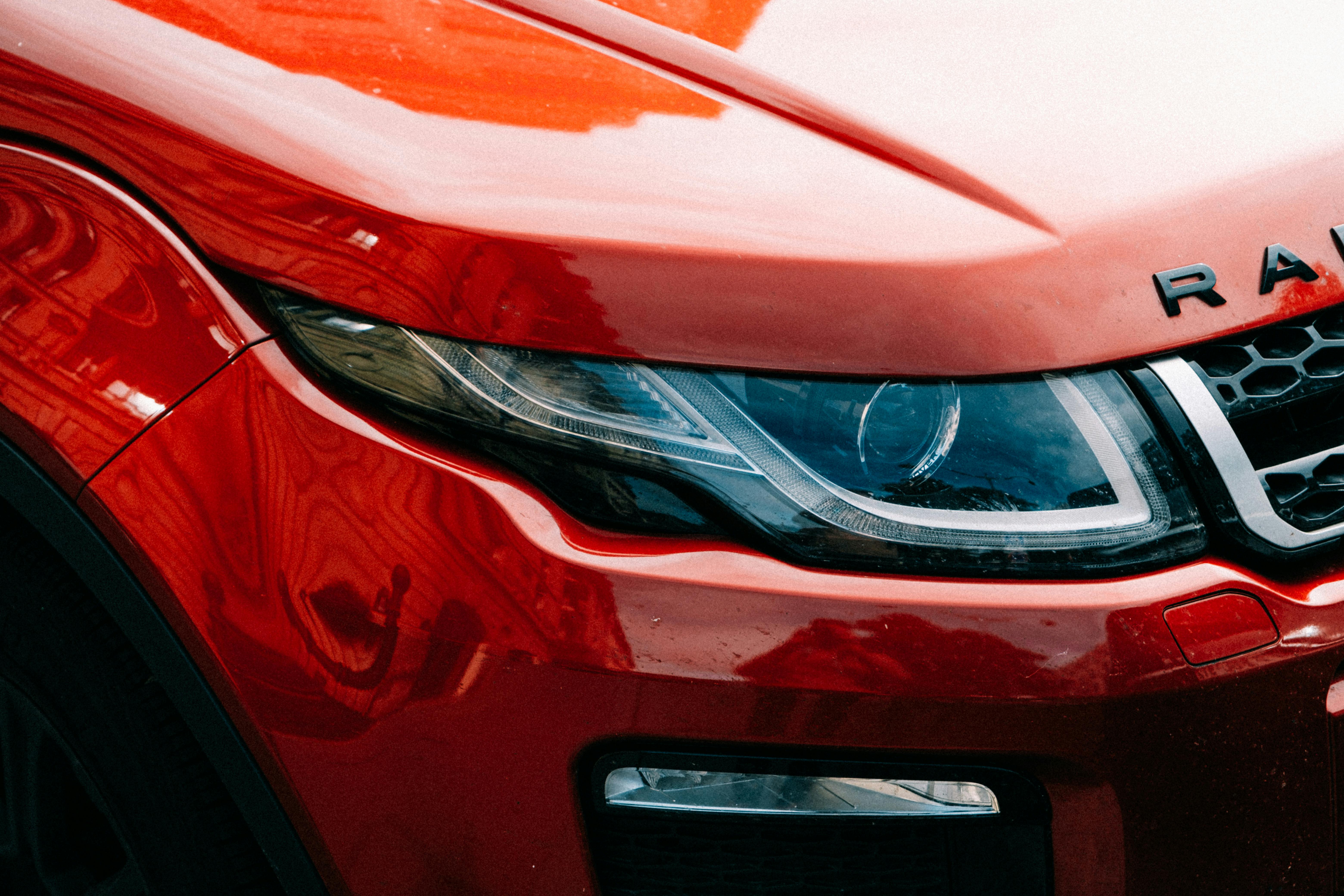
How does the right parts backup make your Range Rover Sport buying guide decision easier?
Here's the part most guides miss, and this Range Rover Sport buying guide would be incomplete without it. A Range Rover Sport is only as easy to own as its parts supply, and that's where we come in. Whichever generation you pick, we hold a huge range of parts for it. You get genuine and aftermarket options, plus OEM and remanufactured ones. We ship right across Europe and to 195 destinations around the world. As Moss Rimmer, part of the MPG group alongside SNG Barratt, we can draw on a much larger inventory and real manufacturing know-how to keep hard-to-find items coming. So the practical worry behind any Range Rover Sport buying guide, "will I be able to fix it?", already has an answer. You choose the car that suits you and we help you keep it on the road for years to come.
Disclaimer
This buying guide is provided for general information only and reflects owner and industry reports at the time of writing. Reliability patterns and common faults can vary between individual vehicles. We'd always recommend an independent inspection and full service history check before purchasing any used car.